Introduction
In 2026, the definition of a hearing aid has fundamentally shifted. No longer just a medical device designed to “turn up the volume,” modern hearing technology has evolved into a sophisticated, wearable communication hub. At Alison Coetzee Audiology, we believe that your hearing health should integrate seamlessly with your lifestyle, not act as a barrier to it.
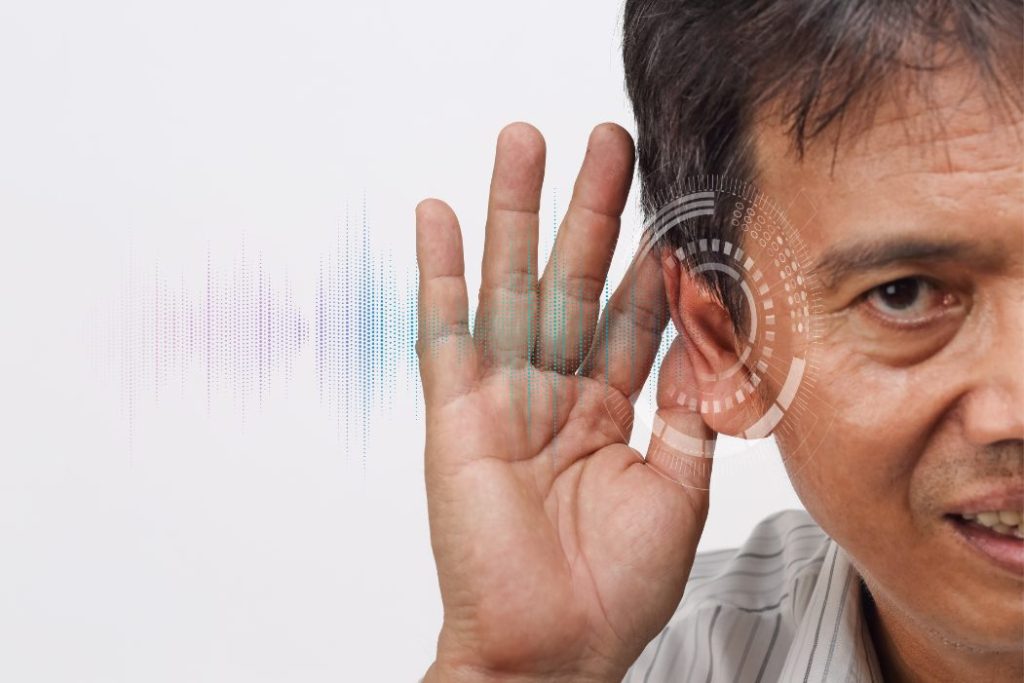
From Just Hearing to "Connected Living"
For many of our patients in Hermanus and across the Overberg, the frustration of hearing loss isn’t just about missing words in a conversation; it’s about the “digital gap”—struggling to hear the TV clearly, missing doorbell chimes, or finding phone calls exhausting.
Modern “Neural Intelligence” in hearing devices bridges this gap by acting as high-fidelity wireless headsets. By syncing directly with your smartphone, tablet, or smart home ecosystem, these devices filter out background noise and deliver crystal-clear sound directly into your ears, tailored to your specific hearing profile.
The Power of Auracast™ and Bluetooth LE Audio
One of the most significant leaps in 2026 is the widespread adoption of Auracast™ broadcast audio. Unlike traditional Bluetooth, which requires a complex “pairing” process between two devices, Auracast™ allows your hearing aids to “tune in” to audio streams in your environment just like you would select a Wi-Fi network.The biggest complaint about cheap earplugs is that they make the world sound “underwater.” They muffle high frequencies more than low frequencies, distorting music and making speech unintelligible.
Public Spaces:
Imagine sitting in a busy airport or a local lecture hall and receiving the PA announcement or the speaker’s voice directly in your hearing aids, bypassing the echo and noise of the room.
Silent Screenings:
You can walk into a sports bar or gym and "join" the audio of a specific muted television screen through your hearing aid app.
Shared Experiences:
Multiple people can listen to the same audio source simultaneously—perfect for watching a movie with family where everyone can adjust their own personal volume.
Creating a Responsive Smart Home
Your hearing aids can now serve as the primary receiver for your home’s “nervous system.” By integrating your devices with smart home hubs (like Google Home or Apple HomeKit), you can ensure you never miss a beat—literally.In 2026, hearing protection is highly specialized. We don’t just provide “plugs”; we provide tools for your lifestyle:
- Smart Doorbells & Security: Receive a gentle, personalized tone directly in your ears when someone is at the gate or if a motion sensor is triggered.
- Kitchen & Utility Alerts: Sync your hearing aids to your smart oven or laundry machine to receive "task complete" notifications, allowing you to move freely around the house or garden without worrying about missing a timer.
- TV & Entertainment: Using dedicated TV streamers, you can enjoy your favorite series at a volume that suits you, while your partner listens at a different level through the room speakers.
Preliminary Steps to Get Connected
Transitioning to a connected hearing experience is simpler than it sounds. At our practice, we don’t just fit the device; we ensure you are confident using the technology.
Check Compatibility: During your consultation, we investigate whether your current smartphone and home devices support the latest Bluetooth LE (Low Energy) standards.
App Setup: We assist in downloading and configuring the manufacturer’s dedicated app. These apps act as your “dashboard,” allowing you to switch between “Restaurant Mode,” “TV Streaming,” and “Outdoor” settings with a single tap.
Environment Mapping: We can help you identify “dead zones” in your home where connectivity might drop and suggest simple range extenders or dedicated streamers to ensure a stable “handshake” between your devices.
The Ear as a Wellness Gateway: Biometric Health Tracking
n 2026, the “connected” nature of your hearing aids extends beyond entertainment and into the realm of proactive healthcare. Because the ear canal is a stable, richly vascularized area close to the brain, it is actually a more accurate location for health monitoring than the wrist.
Many of the premium devices we fit at Alison Coetzee Audiology now act as discreet wellness trackers, providing you and your family with peace of mind through several key features:
- Fall Detection & Emergency Alerts: Integrated accelerometers can detect the specific impact of a fall. If a fall is detected, the hearing aids can automatically send an alert with your GPS location to a designated emergency contact or family member.
- Heart Rate & Activity Monitoring: Your hearing aids can track your daily steps, heart rate, and even "social engagement" levels. Since social isolation is a known risk factor for cognitive decline, tracking how often you engage in conversation helps us monitor your overall brain health.
- Cognitive Load Assessment: Advanced sensors can now measure "listening effort." If your brain is working too hard to decipher speech, your hearing aids can provide data that helps us fine-tune your settings to reduce mental fatigue.
A New Era of Auditory Freedom
The goal of modern audiology is to reduce listening fatigue. When your hearing aids do the heavy lifting of syncing with your TV, phone, and home, your brain doesn’t have to work as hard to decipher sound. This leaves you with more energy for what truly matters: the conversation and the connection.
Conclusion
The transition to “Smart Hearing” is about more than just technology; it is about empowerment. By syncing your hearing aids with your digital life, you aren’t just treating a sensory loss—you are gaining a sophisticated assistant that keeps you safe, healthy, and connected to the people and sounds you love.
At Alison Coetzee Audiology, our role is to guide you through this technological landscape, ensuring that your devices are perfectly calibrated to your unique life. Whether you are streaming a sunset playlist on the Grotto Beach path or attending a lecture in Cape Town, 2026 technology ensures you never have to miss a moment.
Ready to step into the future of sound? Contact us today to explore how the latest “Smart Home” compatible hearing solutions can transform your daily experience.
Frequently Asked Questions
1. Will using Bluetooth and syncing to my smart home drain my hearing aid batteries?
While older Bluetooth technology was power-hungry, the 2026 standard—Bluetooth LE (Low Energy) Audio—is designed specifically for high efficiency. You may notice a slight increase in power consumption during long periods of direct TV streaming, but for most users, it does not significantly impact the full-day performance of rechargeable models.
2. Can I still use my hearing aids if I don't own a smartphone or a "Smart Home" system?
Absolutely. While connectivity adds a layer of convenience and customization, the core function of your hearing aids—enhancing speech and environmental sounds—operates independently. You will still benefit from the advanced AI-driven sound processing and “Neural Intelligence” without ever needing to touch an app.
3. Is my data and "audio stream" secure from hackers?
Security is a top priority in modern audiology. The “handshake” between your hearing aids and your devices is encrypted. Furthermore, protocols like Auracast™ in public spaces are “receive-only” for your hearing aids, meaning they can pick up a broadcast, but no data from your devices is being transmitted back to the public network.
4. What happens if I move out of range of my phone or TV streamer?
Security is a top priority in modern audiology. The “handshake” between your hearing aids and your devices is encrypted. Furthermore, protocols like Auracast™ in public spaces are “receive-only” for your hearing aids, meaning they can pick up a broadcast, but no data from your devices is being transmitted back to the public network.
5. Can these "Smart" features help me if I have tinnitus (ringing in the ears)?
Yes, significantly. Through the connected apps, we can program personalized tinnitus masking “landscapes”—such as white noise, ocean waves, or pink noise. You can control the volume and frequency of these masks directly from your phone, allowing you to manage flare-ups discreetly in real-time.