Introduction
Summer brings longer days, outdoor adventures, and trips to the beach. However, while you are enjoying the sunshine, your hearing aids are quietly fighting their toughest seasonal battle.
Modern hearing technology consists of micro-engineering housed in a small plastic casing. Inside, delicate receivers, microphones, integrated circuits, and lithium-ion or zinc-air power supplies work continuously to process speech. The primary enemies of these electronic components are heat, moisture (sweat and high humidity), and corrosive particulate matter (sunscreen and sea salt).
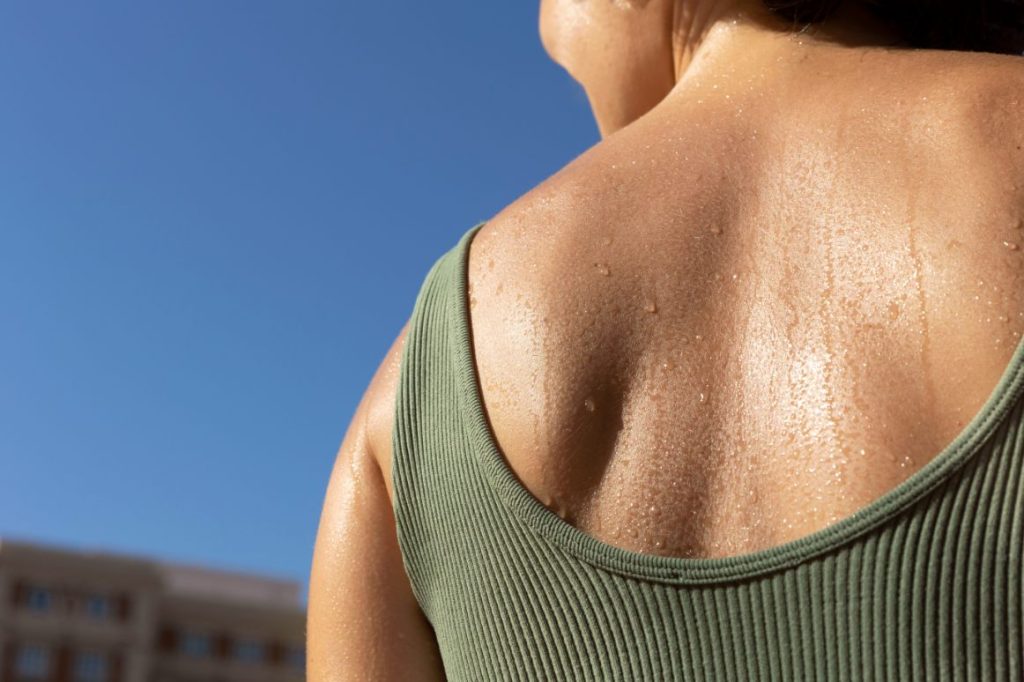
The Big Three Summer Threats: Sweat, Sun, and Salt
Understanding how environmental factors interact with your devices is the first step in preventing damage.
1. Moisture and Sweat Oxidation
Sweat is not just water; it contains salts, acids, and body oils. When you perspire around your ears and scalp, moisture can creep into microphone ports, battery compartments, and receiver tubing. Even if your hearing aids have an IP68 water-resistance rating, this rating applies to fresh water under lab conditions—not continuous exposure to acidic human sweat under direct sunlight. Over time, moisture causes internal rust, short-circuits, and battery contact oxidation.
2. High Temperatures and Battery Stress
Direct heat from sitting in a sunny vehicle, on a beach towel, or near a window can warp outer plastic casings and degrade internal electronics. Extreme temperatures drastically impact battery health:
Rechargeable Lithium-Ion Batteries: High heat accelerates thermal degradation, permanently lowering battery life or causing charging faults.
Disposable Zinc-Air Batteries: Heat and low/high ambient humidity disrupt the chemical reaction inside zinc-air cells, leading to rapid drain or leakage.
3. Sunscreen and Coastal Salt Spray
Sunscreen lotion, spray-on sunblock, and tanning oils leave sticky residues on your hands and skin. When transferred to your hearing aids, these oils clog microphone openings and build up on domes. If you live near or visit the coast, fine salt spray poses an added threat. As ocean mist evaporates on your devices, it leaves behind microscopic salt crystals that attract ambient humidity and accelerate chemical corrosion.
Step-by-Step Summer Maintenance Checklist
Follow this systematic routine to protect your investment throughout the warm months.
1.Wipe Down and Remove Surface Residues:
Perform daily after removing your devices.At the end of every day, gently wipe down the entire surface of your hearing aids, earmolds, and domes using a dry, lint-free microfiber cloth or specialized alcohol-free hearing aid wipes.
Never use household disinfectants, rubbing alcohol, or water, as harsh solvents can strip protective oleophobic and hydrophobic nano-coatings off the device casing.
Pay extra attention to the behind-the-ear (BTE) or receiver-in-canal (RIC) body where sunscreen and sweat accumulate behind the pinna.
2.Inspect and Clear Microphone Ports and Wax Guards:
Prevents muffled sound and acoustic feedback.Heat causes earwax (cerumen) to soften and migrate further into the ear canal and dome assembly. Inspect the wax guard and dome daily under good lighting.
Use a soft-bristled cleaning brush to gently sweep away dried debris from microphone openings. Always brush with the port facing downward so dislodged dirt falls out rather than deeper in.
Replace the wax guard (cerustop filter) immediately if you notice reduced sound volume, distortion, or visible accumulation.
If using custom earmolds, check the tubing for trapped sweat droplets. Use a vent blower tool to force moisture out of the sound tube.
3.Dehumidify Devices Overnight:
Crucial for humid coastal climates.Air drying alone is often insufficient in high humidity. Placing hearing aids in a dedicated drying system overnight pulls deep-seated moisture out of internal circuitry.
Electronic UV-C Drying Box (Recommended): Uses gentle forced warm air and UV-C light to simultaneously dry internal electronics and sanitize the surface from bacteria and fungi that thrive in warm, moist ear canals.
Desiccant Drying Capsule/Jar: A passive, budget-friendly option using silica crystals. Place your aids in the sealed container overnight.
Battery Precaution: For devices with disposable zinc-air batteries, open the battery door completely and remove the batteries before placing devices in a drying cup or electronic dryer (unless the manufacturer explicitly states otherwise). For rechargeable devices, ensure your charger or drying station is operating in a cool, ventilated area.
4.Implement Smart Handling Habits Outdoors:
Preventative habits during active outdoor hours.Adjust how and when you apply summer skincare products to protect delicate sound inputs.
Sunscreen First: Apply lotion or spray sunscreen before putting on your hearing aids. Allow your skin and hands to dry completely (about 10–15 minutes) before placing the devices over or in your ears.
Avoid Spray Near Ears: Never spray sunscreen or insect repellent directly near your head while wearing hearing technology. The fine mist settles into microphone grids instantly.
Remove During Heavy Sweating: If you are engaging in strenuous yard work, running, or intensive exercise in direct heat, consider wearing a sweatband or temporarily removing your devices to store them in a protective, ventilated case.
Best Practices for Beach, Pool, and Travel Days
Going near the water requires clear boundaries between hearing aids and summer activities.
| Scenario | Do This | Avoid This |
| Swimming & Water Sports | Remove devices and place them in a hard-shell protective case stored in the shade or inside an insulated bag. | Never submerge devices or leave them on a hot towel exposed to direct sunlight. |
| Beach Sand Exposure | Wash and dry your hands thoroughly before touching or adjusting your hearing aids. | Do not touch devices with sandy, lotion-covered hands; sand grains can scratch casings and block ports. |
| Vehicle Storage | Keep devices on your person or in a climate-controlled room. | Never leave hearing aids or charging cases inside a parked car, where interior temperatures can easily exceed 50°C (120°F). |
| High Sweat Activities | Wear specialized sweat covers or ear-gear sleeves made of moisture-wicking fabric. | Do not let sweat pool in the crease behind your ear for extended periods without wiping it away. |
What to Do If Your Hearing Aid Gets Wet
Accidents happen—whether you step into the shower forgetting your devices or get caught in an unexpected summer downpour. If your hearing aids suffer heavy liquid exposure:
- Remove them immediately and turn them off (or open the battery door on disposable models).
- Remove the battery if using zinc-air cells and throw the battery away.
- Dry the exterior thoroughly with a clean towel.
- Do NOT use extreme heat: Never use a hair dryer, microwave, oven, or place them under direct sunlight. Excessive heat melts delicate internal plastics and permanently damages processors.
- Do NOT use raw rice: Raw rice contains dust and starch that enters ports and combines with internal moisture to create a sticky paste.
- Place in a desiccant or electronic dryer for 24 to 48 hours. If the device remains silent or distorted after drying, contact your audiologist for professional diagnostic service.
Conclusion
Summer heat, sweat, high humidity, and coastal elements don’t have to compromise your hearing health or damage your investment. By adopting a proactive maintenance routine—wiping down your devices daily, keeping sunscreen away from delicate microphone ports, and using a dedicated drying system overnight—you can prevent unexpected electronic failures and enjoy clear, uninterrupted sound all season long. Taking just a few minutes each day to protect your hearing aids ensures you won’t miss a single sound of summer, from beachside catch-ups to backyard gatherings.
Frequently Asked Questions
1: Can I wear my IP68-rated hearing aids while swimming or showering?
No. While an IP68 rating indicates high resistance to dust and temporary submersion in still, fresh water under lab conditions, it does not mean the device is waterproof. Swimming involves water pressure, motion, and chemicals (like chlorine or salt) that easily breach acoustic seals. Showering exposes devices to soap, steam, and high-pressure water streams that will damage internal electronics over time. Always remove your devices before entering water.
2: Is it safe to store my hearing aids in my car's glove compartment while I'm at the beach?
Absolute not. Temperatures inside a parked car in summer can rapidly surpass 50°C to 60°C (120°F to 140°F), even with the windows cracked. Extreme heat deforms plastic casings, damages internal processors, and permanently degrades lithium-ion rechargeable batteries. Keep your devices in a protective case stored in a cool, shade-covered area or inside a climate-controlled room.
3: Why does my hearing aid sound static or muffled after a workout?
Static or muffled audio after physical activity is almost always caused by sweat or condensation collecting inside the microphone ports, tubing, or wax guards. Sweat creates a temporary barrier that blocks sound waves from entering the device properly. Wipe the exterior with a dry cloth, gently sweep the microphone ports with a soft brush, and place the devices in an electronic drying box to pull out internal moisture.
4: Should I use an electronic UV-C drying box every night during the summer?
Yes, using an electronic UV-C drying box daily throughout the summer is highly recommended—especially if you live in a humid coastal area, sweat frequently, or spend significant time outdoors. The forced warm air removes trapped humidity from internal circuits, while the UV-C light sanitizes surface bacteria and fungi that thrive in warm, moist ear canals during warm weather.
5: How long should I wait after applying sunscreen before putting my hearing aids on?
Wait at least 10 to 15 minutes after applying lotion or spray sunscreen to allow your skin to absorb the product and dry completely. Always wash and dry your hands thoroughly before touching your hearing aids to avoid transferring greasy residues, oils, or chemicals onto microphone screens, charging contacts, or silicone domes.